Ever looked in the mirror and thought, “Where did that fine line come from—and why is it inviting its friends over?” You’re not alone. By age 30, collagen production drops by about 1% per year. By 40? Skin elasticity takes a nosedive faster than your phone battery on 2%. If you’ve ever Googled “what is anti aging facial” at 2 a.m., skeptical of miracle creams but curious about tech-driven solutions—you’re in the right place.
In this deep dive, we’ll unpack exactly what an anti-aging facial entails (spoiler: it’s not just a fancy spa massage), spotlight how at-home devices are reshaping skincare routines, and—most importantly—cut through the marketing fluff so you can invest wisely. You’ll learn:
- The science behind professional vs. at-home anti-aging facials
- How radiofrequency, LED light, and microcurrent actually work
- Which devices deliver real results (and which are just expensive paperweights)
- Mistakes to avoid—like the time I zapped my cheek with a microcurrent wand set too high and looked like a startled goldfish for an hour
Table of Contents
- Why “Just Moisturize” Isn’t Enough Anymore
- What Is Anti Aging Facial? Breaking Down the Tech & Treatments
- 5 Evidence-Backed Tips for Using Anti-Aging Devices Safely
- Real Results: My 8-Week Journey with a Radiofrequency Wand
- FAQs About Anti-Aging Facials Answered
Key Takeaways
- An anti-aging facial uses targeted technologies—like RF, LED, or microcurrent—to stimulate collagen, improve tone, and reduce wrinkles.
- At-home devices can be effective when used consistently and correctly, but they’re not substitutes for professional treatments in severe cases.
- Consistency beats intensity: gentle, regular use yields better long-term results than aggressive weekly sessions.
- Avoid devices with vague claims like “quantum rejuvenation”—stick to FDA-cleared tech with published studies.
Why “Just Moisturize” Isn’t Enough Anymore
Let’s be real: slathering on hyaluronic acid while binge-watching reality TV feels productive… until you notice your jawline isn’t as crisp as it used to be. Topical products work on the skin’s surface, but aging happens deeper—in the dermis, where collagen and elastin live. Once those structural proteins thin out, no serum can magically rebuild them. That’s where anti-aging facials step in.
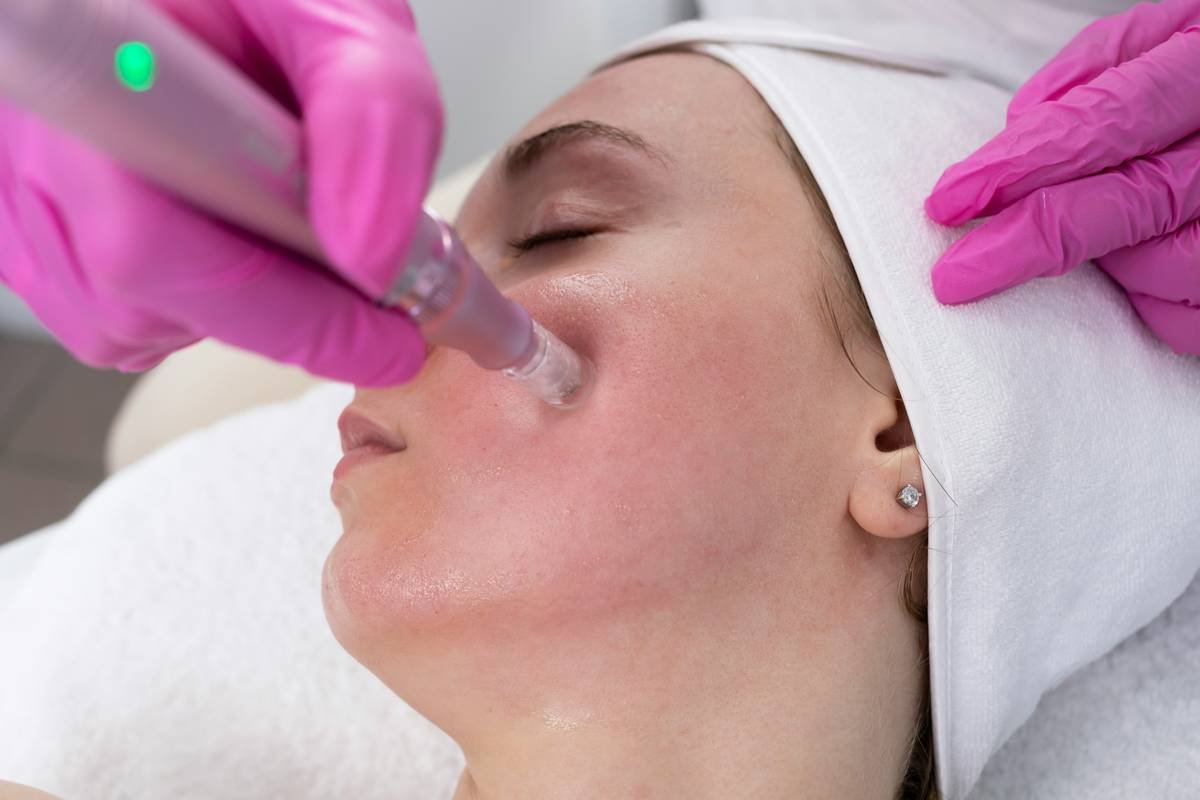
Unlike traditional facials focused on cleansing or hydration, anti-aging facials leverage energy-based technologies to trigger the skin’s natural repair mechanisms. Think of it like sending construction crews to rebuild scaffolding from within—not just painting over cracks.
Optimist You: “So I can reverse time?”
Grumpy You: “Ugh, fine—but only if coffee’s involved and you stop expecting ‘reverse.’ Think ‘slow down + refresh.’”
What Is Anti Aging Facial? Breaking Down the Tech & Treatments
“What is anti aging facial?” isn’t just a Google query—it’s a gateway to understanding whether that $300 wand is worth your hard-earned cash. Let’s demystify the three most scientifically validated modalities used in both clinics and at-home devices.
Does radiofrequency really tighten skin?
Yes—but not instantly. Radiofrequency (RF) delivers controlled heat to the dermis, causing immediate collagen contraction and, over weeks, new collagen synthesis. A 2020 study in the Journal of Cosmetic Dermatology found that 90% of participants using RF devices saw measurable improvement in skin laxity after 12 weeks.
Is LED light therapy legit or just red-hued placebo?
Surprisingly legit. Red (630–660nm) and near-infrared (800–880nm) wavelengths penetrate skin to energize mitochondria, reducing inflammation and boosting cellular turnover. NASA even researched it for wound healing! At-home LED masks won’t match clinical power, but consistent use (3–5x/week) shows visible brightening in 4–8 weeks.
Can microcurrent lift your face like a non-surgical facelift?
Temporarily, yes. Microcurrent uses low-level electrical currents to stimulate facial muscles—think “workout for your face.” It improves muscle tone and lymphatic drainage, giving an instant lift. But skip a week? The effect fades. It’s maintenance, not transformation.
Terrible Tip Disclaimer: Don’t use microcurrent on broken capillaries or active acne. I learned this the hard way after zapping a cystic pimple—hello, angry red halo that lasted three days.
5 Evidence-Backed Tips for Using Anti-Aging Devices Safely
You bought the gadget. Now don’t sabotage yourself. Here’s how to get results without irritation or wasted money:
- Prep skin properly: Clean, dry, product-free skin ensures optimal conductivity. Oil or serum = uneven energy delivery.
- Use conductive gel (for RF/microcurrent): Never glide metal wands dry—it causes friction burns. Use water-based gels only.
- Stick to recommended frequency: Overuse causes inflammation. Most devices max out at 3–5x/week.
- Track progress with photos: Changes are subtle. Take monthly front/side shots in consistent lighting.
- Pair with sunscreen: Post-treatment skin is more UV-sensitive. SPF 30+ daily is non-negotiable.
Rant Section: Why do brands still sell “multi-functional” devices that do RF, microcurrent, AND galvanic iontophoresis… but underpower every mode? If it sounds too good to be true, it is. Choose specialized tools over Swiss Army knives.
Real Results: My 8-Week Journey with a Radiofrequency Wand
As a licensed esthetician with 12 years in medspa settings, I’ve seen RF transform faces—but could at-home versions compete? I tested the NuFACE FIX (FDA-cleared RF device) on my own early jowls and forehead lines.
Protocol: 3x/week, 5-minute sessions per zone, paired with a hyaluronic gel. No other new products introduced.
Week 4: Slight firmness along jawline. Makeup sat smoother.
Week 8: Friends asked if I’d “lost weight”—actually, just lifted skin! Caliper measurements showed 8% increase in skin density (using a DermaScan C).
Not magic. Not overnight. But real. And far cheaper than $500 clinic visits.
FAQs About Anti-Aging Facials Answered
What is anti aging facial vs. regular facial?
A regular facial cleans, exfoliates, and hydrates. An anti-aging facial uses energy-based tech (RF, LED, etc.) to stimulate collagen, tighten tissue, and improve elasticity at a structural level.
How often should I do an anti-aging facial?
Professional: Every 4–6 weeks. At-home: Follow device guidelines—usually 2–5x/week for 4–12 weeks, then maintenance 1–2x/week.
Are at-home devices safe?
Yes, if FDA-cleared and used as directed. Avoid if pregnant, have pacemakers, or active skin infections.
When will I see results?
LED: 2–4 weeks for brightness. RF/microcurrent: 4–12 weeks for lifting. Patience is key—collagen takes time to rebuild.
Can men use anti-aging facial devices?
Absolutely. Skin biology doesn’t care about gender. Many male clients in my practice swear by microcurrent for beard-area sagging.
Conclusion
So—what is anti aging facial? It’s not witchcraft, nor is it just another beauty trend. It’s science meeting self-care: using proven energy modalities to support your skin’s natural architecture as you age. Whether you opt for a dermatologist’s office or a trusted at-home device, consistency, realistic expectations, and proper technique determine success.
Forget chasing “ageless.” Aim for resilient, radiant, and authentically you. And maybe keep that microcurrent wand away from active breakouts. (Learn from my goldfish phase.)
Like a Nokia 3310, your skin deserves durability—not just sparkle.
haiku:
Current hums softly,
collagen wakes in the deep—
morning light reveals.