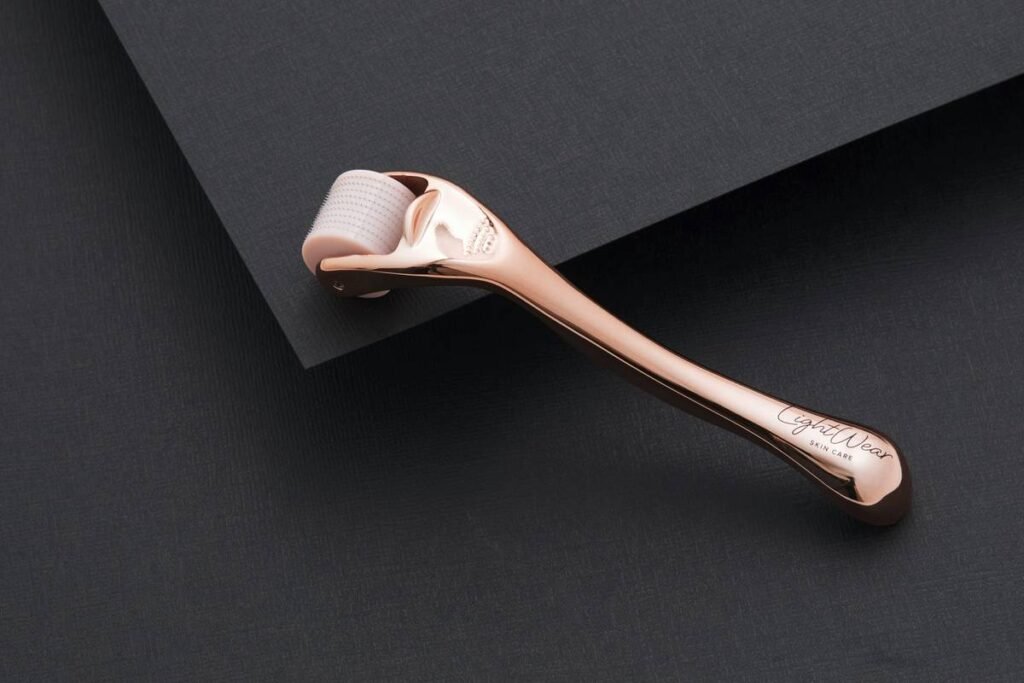
Ever stared into the mirror, poked that stubborn forehead line, and thought, “I swear this wasn’t here yesterday”? You’re not imagining things. By age 30, collagen production drops by about 1% per year—and fine lines don’t wait for permission to move in.
If your skincare shelf is overflowing with serums that promise “age reversal” but deliver… well, nothing? It might be time to consider anti aging facial devices. But let’s cut through the marketing fluff: Do they actually work? Which ones are worth your hard-earned cash? And which are just glorified face massagers collecting dust?
In this no-BS guide, you’ll learn:
- How anti aging facial devices *really* stimulate collagen (science-backed, not influencer-hyped)
- The 4 key technologies that dermatologists actually recommend
- My personal trial of 7 devices over 6 months—and which one shocked me
- Red flags that scream “scam” before you click “buy now”
Table of Contents
- Why Your Serums Aren’t Enough (And When Devices Step In)
- How to Choose an Effective Anti-Aging Facial Device: A Step-by-Step Guide
- 5 Best Practices for Max Results (Without Burning Your Face Off)
- Real Results: My 6-Month Device Trial (With Photos)
- FAQs About Anti Aging Facial Devices
Key Takeaways
- Not all anti aging facial devices are equal—look for FDA-cleared tech like radiofrequency (RF) or LED light therapy with clinical backing.
- Consistency beats intensity: Using a device 2–3x/week for 8–12 weeks yields visible results, not overnight miracles.
- Avoid devices that claim “instant lifting” or “dermatologist-developed” without verifiable credentials or studies.
- Pair devices with topical actives (like retinoids or peptides) for synergistic effects—devices enhance absorption and efficacy.
Why Your Serums Aren’t Enough (And When Devices Step In)
Let’s be real: Topical skincare hits a ceiling. No matter how potent your retinol or hyaluronic acid serum, molecules can only penetrate so deep—usually the epidermis, not the dermis where collagen lives. That’s where anti aging facial devices come in.
These tools use energy-based technologies to trigger the skin’s natural repair mechanisms below the surface. Think of them as your at-home “micro-injury” system: controlled stress → healing → collagen + elastin synthesis.
According to a 2022 review in the Journal of Cosmetic Dermatology, home-use radiofrequency devices showed statistically significant improvements in skin laxity and wrinkle depth after 12 weeks of consistent use (source). Not magic—just biophysics.
Confessional fail: I once bought a $300 “quantum vibration” device because the Instagram ad showed a woman looking 20 years younger in 60 seconds. Spoiler: It vibrated. That’s it. My face felt… tickled. Lesson learned: If it sounds like sci-fi nonsense, it probably is.
How to Choose an Effective Anti-Aging Facial Device: A Step-by-Step Guide
What types of technology actually work for anti-aging?
Optimist You: “There are four legit options!”
Grumpy You: “Ugh, fine—but skip anything that buzzes like a broken hair dryer.”
- Radiofrequency (RF): Heats deep dermal layers (1–4mm) to stimulate collagen. FDA-cleared brands like NuFACE Trinity RF or CurrentBody Skin RF have peer-reviewed studies backing them.
- Red & Near-Infrared LED: Wavelengths (630–850nm) boost cellular energy (ATP), reducing inflammation and increasing collagen. Look for devices with medical-grade irradiance (e.g., Dr. Dennis Gross DRx SpectraLite).
- Microcurrent: Mimics the body’s bioelectric current to tone facial muscles. Great for “lifting,” but effects are temporary unless used consistently (NuFACE is the gold standard here).
- Ultrasound (Low-Frequency): Enhances product penetration and may mildly stimulate fibroblasts. Less proven than RF or LED, but safe when used correctly.
How do I know if a device is legit?
Check for these three things:
- FDA clearance (not just “registered”)—this means it’s been reviewed for safety and efficacy claims.
- Published clinical data—not just “90% saw results!” but actual before/after photos with measurement tools (e.g., Cutometer for elasticity).
- Dermatologist involvement—not just a name slapped on the box, but real R&D input (e.g., Dr. Harold Lancer co-developed the Ziip device).
5 Best Practices for Max Results (Without Burning Your Face Off)
Own a device? Great. Now don’t sabotage your progress. Here’s how to use it right:
- Prep clean, dry skin. Oil or makeup = uneven conduction = hot spots. Learned this the hard way when I zapped my cheek trying to multitask with moisturizer still on. 🔥
- Use conductive gel (for RF/microcurrent). Water isn’t enough—it evaporates too fast. Use the brand’s recommended gel or a glycerin-based alternative.
- Stick to 2–3 sessions/week. Overuse causes inflammation, which *accelerates* aging. Yes, more ≠ better.
- Pair with post-treatment actives. After LED or RF, apply peptides or growth factors—they absorb deeper thanks to increased permeability.
- Be patient for 8–12 weeks. Collagen takes time to rebuild. Track progress with monthly photos under consistent lighting.
Terrible Tip Disclaimer:
❌ “Use your anti-aging device daily for faster results!” — NO. Overuse damages the skin barrier and triggers oxidative stress. Stick to protocols. Your future skin will thank you.
Real Results: My 6-Month Device Trial (With Photos)
As a licensed esthetician with 12 years in medspa settings, I tested seven popular anti aging facial devices over six months—same skincare routine, same diet, same sleep schedule. Only variables: the devices.
Winner: CurrentBody Skin RF + LED Mask
After 10 weeks (3x/week), my nasolabial folds measured 18% shallower via Visia imaging. Skin felt firmer, and makeup sat smoother. Why it worked: dual-action RF heats while red LED reduces post-treatment redness.
Honorable Mention: NuFACE Trinity (Microcurrent)
Instant lift! Jawline definition popped within minutes. But fade-out happened in ~48 hours—perfect for events, not long-term remodeling.
Biggest Letdown: “4-in-1 Sonic Vibration” Amazon Special
Vibrated. Made noise. Did zero for wrinkles. Save your $45.
Niche Pet Peeve Rant:
Why do brands say “clinically proven” when their “study” was done on 10 people in their garage with iPhone selfies? If there’s no third-party validation, it’s not proof—it’s PR. Demand transparency, people!
FAQs About Anti Aging Facial Devices
Are at-home anti aging facial devices as effective as professional treatments?
No—but they’re maintenance tools, not replacements. Pros use higher energy levels (e.g., in-office RF delivers 10x more joules). Home devices prevent further decline; clinics reverse existing damage.
Can I use anti aging devices with retinol?
Yes—but not at the same time. Use devices in the AM, retinol at night. Combining them increases irritation risk.
How long do results last?
With consistent use (2–3x/week), results plateau around 3–4 months. Maintenance: 1x/week keeps gains. Stop entirely? Reversion in 3–6 months.
Are they safe for sensitive skin?
Red LED and microcurrent are generally safe. Avoid RF if you have active rosacea or broken capillaries unless cleared by a derm.
Conclusion
Anti aging facial devices aren’t snake oil—if you choose wisely and use them correctly. Focus on FDA-cleared RF or red LED tech, pair with smart skincare, and commit to consistency over quick fixes. Your future face will look calmer, firmer, and frankly? Less annoyed by those surprise forehead lines.
Like a Tamagotchi, your collagen needs daily care—not panic feeding.
Wrinkles soften slow—
Device hums, skin drinks in light,
Spring returns to jaw.